How to Test a Turbo Actuator: Why a Dedicated Tester Is Essential for Accurate Diagnostics
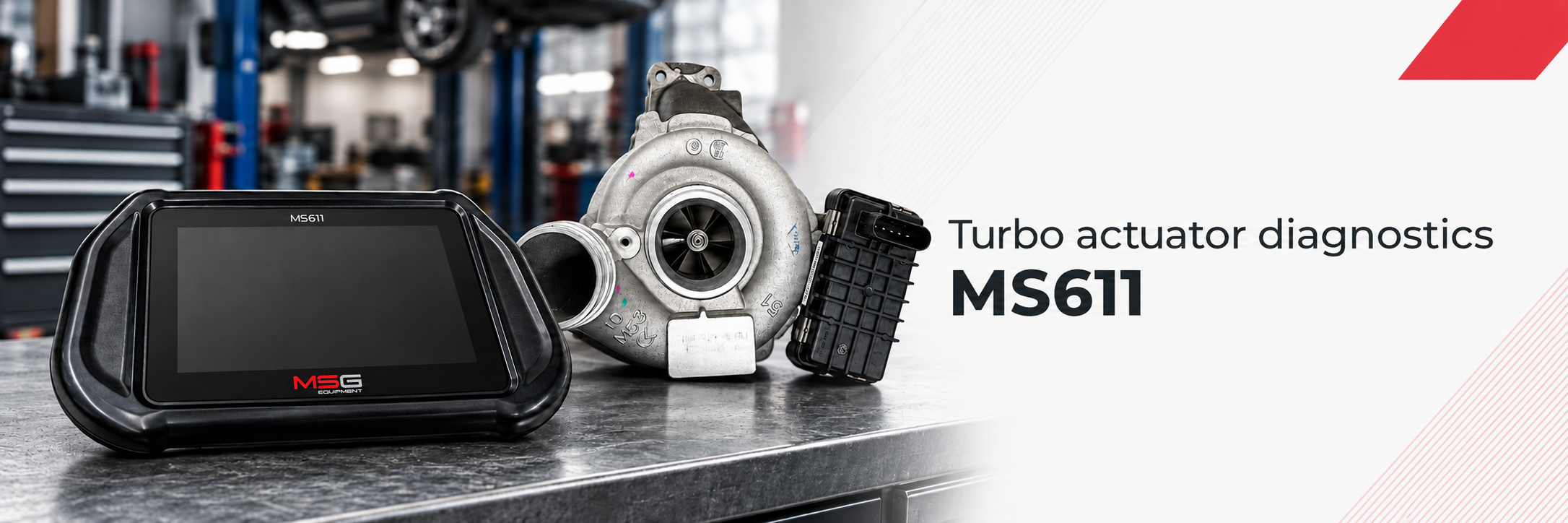
An electronic turbocharger actuator controls turbocharger operation and helps maintain the required boost pressure. A faulty actuator can lead to reduced engine power, poor vehicle performance, and the engine management system entering limp mode.
Turbocharger malfunctions can also affect fuel combustion and the operation of exhaust emission control systems. Depending on the engine design and the nature of the fault, this may result in increased emissions and impaired operation of the exhaust gas recirculation (EGR) system and exhaust aftertreatment systems, including accelerated diesel particulate filter (DPF) clogging.
Therefore, if an actuator fault is not addressed promptly, it can have significant consequences for vehicle operation and lead to costly repairs.
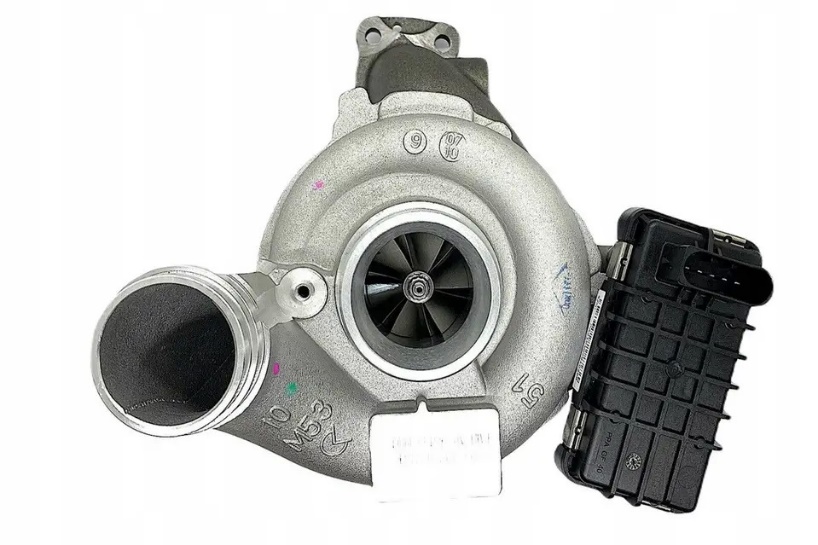
Turbocharger with an electronic actuator
Why Is a Dedicated Tester Needed to Test a Modern Turbo Actuator?
A modern electronic turbo actuator is an electromechanical device that may include an electric motor, gearbox, position sensor, and electronic control board. Depending on the model, it communicates with the engine control unit (ECU) using analog or pulse signals, or digital communication protocols.
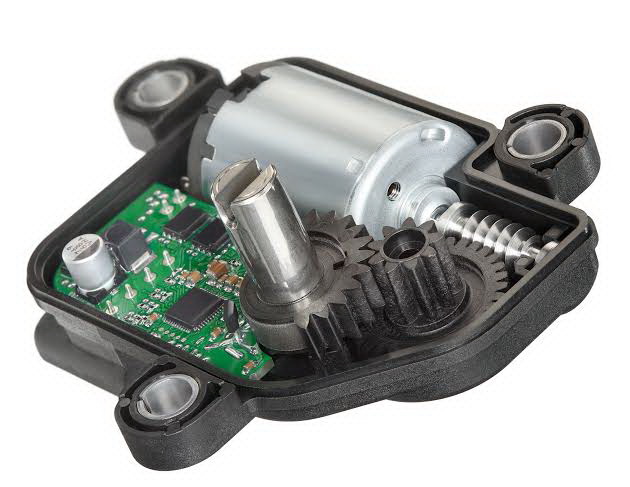
Internal Components of an Electronic Turbocharger Actuator
A simple multimeter check or applying power alone is not enough to fully assess the operation of such a device. A dedicated tester allows several important parameters to be checked.
1. Checking Control Signals and Data Communication
A dedicated tester can generate the appropriate control signals or communicate with the actuator through a supported interface. This makes it possible to assess the actuator's response to commands and identify potential control or communication issues.
2. Monitoring Position Feedback
The built-in position sensor reports the position of the actuator mechanism. Comparing the control command with the feedback signal helps identify a lack of response, an unstable signal, or a mismatch between the commanded and actual positions.
3. Assessing Mechanical Operation
Not every fault is caused by the electronics. Possible causes include worn gearbox gears, excessive resistance to movement, or a sticking variable-geometry turbocharger mechanism.
Monitoring current consumption while the actuator operates helps assess the load on the drive. Excessive current or sudden changes may indicate an overload, mechanical resistance, or another fault.
4. End-Position Programming and Parameter Adjustment
Some actuator models require end-position adjustment, calibration, or other programming procedures after repair or replacement. A dedicated tester can perform these operations on compatible devices when the procedures are supported by the actuator design and the tester.
A dedicated tester therefore provides more information about the actuator's condition and helps technicians make informed decisions about the next steps. However, test results should also be considered alongside the condition of the turbocharger, wiring, and other components of the boost control system.
MS611 — A Tool for Diagnosing and Programming Electronic Turbocharger Actuators
MS611 is a universal tester designed to diagnose and program electronic turbocharger actuators. It supports the following control and feedback types: PWM, Analog, CAN, LIN, and SENT. It can also be used to test vacuum actuators and individual actuator components.
The tester can be used both on the vehicle and off the vehicle, for example, to test an actuator on a turbocharger removed from the engine or to test the actuator separately.
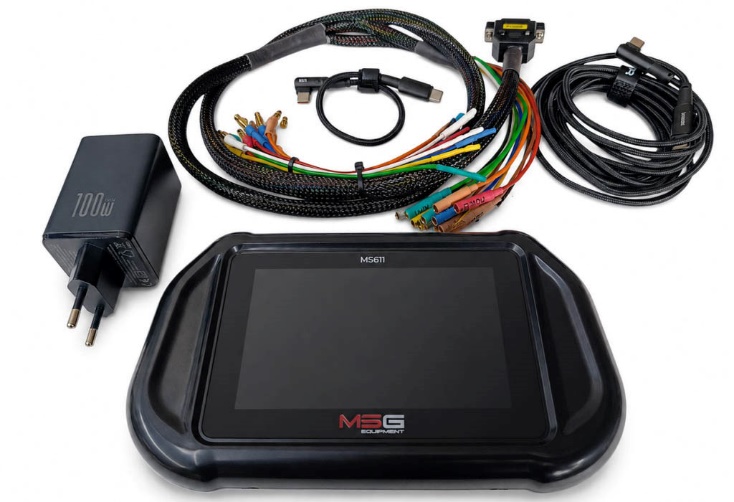
MS611 Tester for Diagnosing and Programming Turbocharger Actuators
The MS611 offers three test modes:
- Database — searches for the actuator in the database and selects the appropriate test parameters and diagnostic cable.
- Autodetect — automatically analyzes the connected device's response to identify the likely control type and determine suitable test parameters.
- Manual — allows the operator to select the test mode and required parameters manually.
During testing, the MS611 monitors the parameters available in the selected mode, including position feedback and current consumption, and evaluates the actuator's response to control signals. This helps identify abnormal operation and narrow down the possible causes of a fault.
For compatible models, the tester also supports end-position programming and adjustment of other parameters. This allows the MS611 to be used not only for diagnostics but also to perform manufacturer-specified procedures after repair.
Diagnostics That Help Save Time and Money
For an automotive repair shop, a dedicated actuator tester is a tool that supports better-informed repair decisions. Testing helps technicians assess the actuator's condition and determine whether repair is feasible or replacement is necessary.
Diagnostic results also help technicians explain the cause of a fault to customers and justify the recommended repair. This makes the service process more transparent, builds customer trust, and helps establish long-term relationships. For vehicle owners, this approach supports a more informed decision between repairing and replacing the actuator.
Conclusion
When a boost control system malfunctions, it is important not to rely solely on reading fault codes from the engine control unit. The actuator should also be tested independently, and the condition of related components should be taken into account.
The MS611 helps technicians systematically assess actuator operation, obtain diagnostic data, and perform supported programming procedures on compatible models. This provides a stronger basis for deciding on the next steps and helps avoid unnecessary replacement of serviceable components.