




Electric Vehicle Diagnostics: What Should Be in the Arsenal of a Modern Service Center
The rapid growth in the popularity of electric vehicles is changing the requirements for service stations. While key tasks once focused on internal combustion engines, fuel systems, and transmissions, today service centers must master high-voltage systems, complex electronics, and software diagnostics. To remain competitive, modern workshops need to build a new arsenal of equipment and competencies for electric vehicle diagnostics.
Diagnostic Scanners: The Foundation of EV Service
For successful work with electric vehicles, the first and most essential requirement is a professional diagnostic scanner. It is important that the device supports not only universal protocols (such as OBD-II) but also provides access to advanced functions of specific manufacturers.
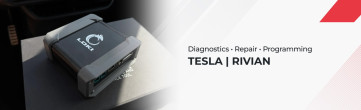
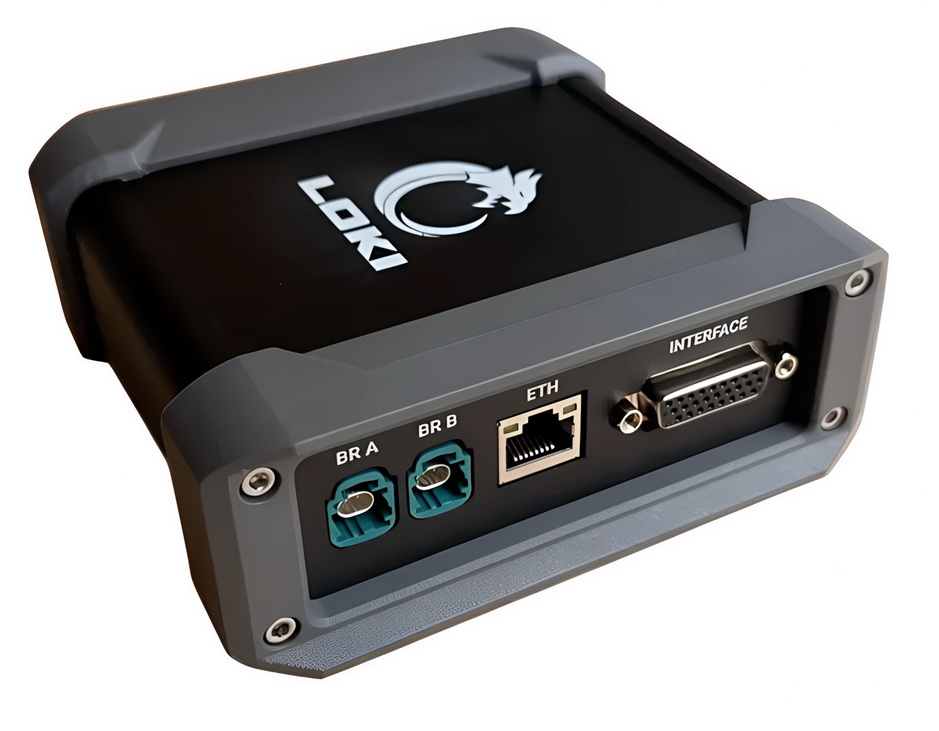
An example of such a scanner is LOKI PRO. It is specifically designed for working with Tesla and Rivian electric vehicles and provides full access to all vehicle systems, from the high-voltage battery to safety systems and ADAS.
The scanner allows you to:
- read and clear fault codes (DTC);
- monitor real-time parameters;
- perform calibrations and adaptations;
- activate service functions.
Software and Updates
Modern electric vehicles are continuously updated, so diagnostic equipment must support the latest software versions. For example, the LOKI PRO scanner comes with a subscription for updates and technical support, allowing service centers to work with the latest vehicle firmware versions and expand diagnostic capabilities.
HV Battery Diagnostics
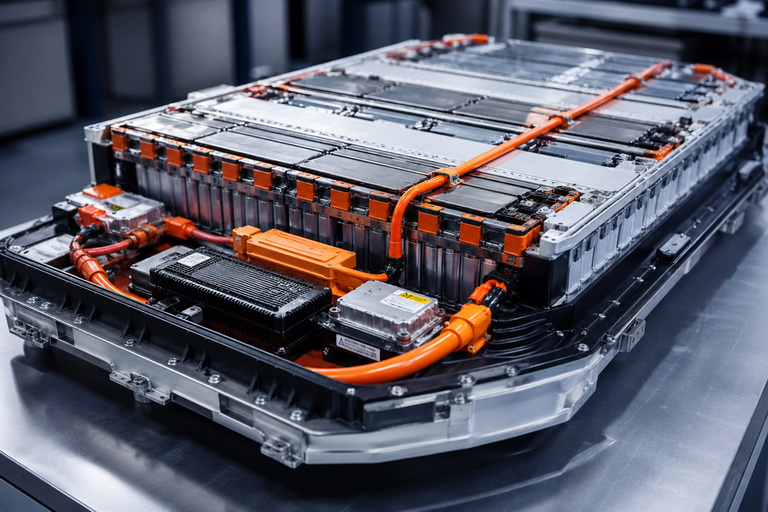
The high-voltage (HV) battery is the most expensive component of an electric vehicle. Therefore, accurate diagnostics of its condition is the foundation of successful repair.
A service center’s equipment arsenal should include tools for testing battery modules:
- testers for evaluating capacity and internal resistance;
- equipment for cell balancing.
For these tasks, our product range includes specialized testers such as MS800 and MS801. Both devices perform the core functions required to assess battery condition, but they are designed for different tasks and service workflows.
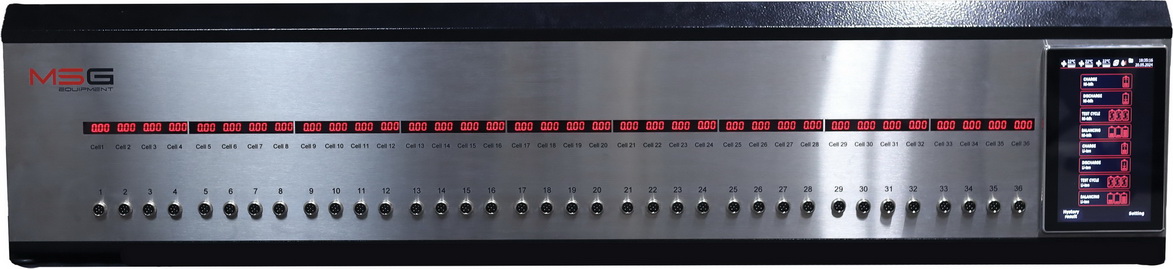
MS800 is a universal tool that supports both Ni-MH and Li-ion batteries. The tester has a relatively low test current, yet it allows simultaneous testing of a large number of modules, which is especially important during a complete battery rebuild when modules need to be checked, sorted, and matched. An additional advantage of the MS800 is its ability to be used for balancing serviceable high-voltage batteries when direct access to module cells is available. This is particularly valuable in practice, as cell imbalance is one of the most common causes of HV battery faults and can lead to reduced available capacity, power limitations, BMS errors, and unstable battery operation. In such cases, the MS800 allows not only detection of parameter deviations in individual cells but also balancing them, restoring battery performance without replacing costly components. That is why the MS800 is often chosen by service centers specializing in the diagnostics, repair, and restoration of hybrid vehicle batteries.
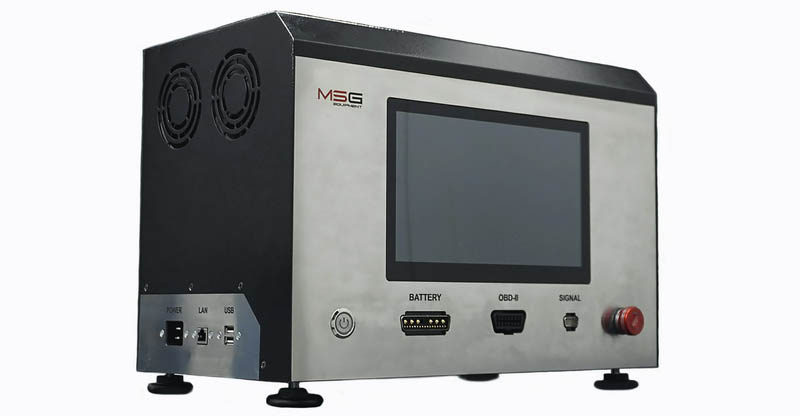
In contrast, the MS801 is a more modern solution designed for the needs of today’s electric vehicle market. It is optimized for lithium-ion batteries and features significantly higher testing speed. Thanks to the increased discharge current, diagnostics take less time, which directly improves service productivity.
With the MS801, a service center can:
- assess battery state of health (SOH);
- detect module imbalance;
- measure internal resistance;
- perform balancing and prepare the battery for installation.
Technician Training Is a Necessity, Not an Option
Even the most advanced equipment will not deliver results without qualified personnel. An EV diagnostics specialist must understand:
- the design and operating principles of lithium-ion batteries;
- the architecture of high-voltage systems;
- the specifics of CAN, Ethernet, and other communication networks;
- the use of diagnostic software.
MSG Equipment offers specialized online courses that allow technicians to quickly master electric vehicle diagnostics and work with our equipment.
Electric Vehicle Computer Diagnostics Course (Tesla)
This course is designed for specialists who want to learn EV diagnostics using the LOKI scanner. The program includes:
- connecting and working with the scanner;
- reading and analyzing data;
- programming and adapting control units;
- working with vehicle configuration.
The training is conducted in a convenient online format with interactive materials and practical examples.
High-Voltage Systems and Battery Course
This course focuses on diagnostics and repair of high-voltage batteries. During the training, specialists:
- study battery design;
- learn safe handling of HV systems;
- gain skills in using professional equipment;
- acquire practical experience in diagnostics and repair.
Additionally, the course covers working with MS800 and MS801 testers, including parameter measurement and module balancing.
Conclusion
Electric vehicle diagnostics is no longer the future — it is the reality faced by every modern service center. The key to high-quality electric vehicle service lies in combining the right competencies with the right equipment.